Portal Rasmi Perbadanan Pembangunan Perdagangan Luar Malaysia


MATRADE Announces Strategic Mitigation Measures to Safeguard Malaysian Exports Amid West Asia Geopolitical Tensions
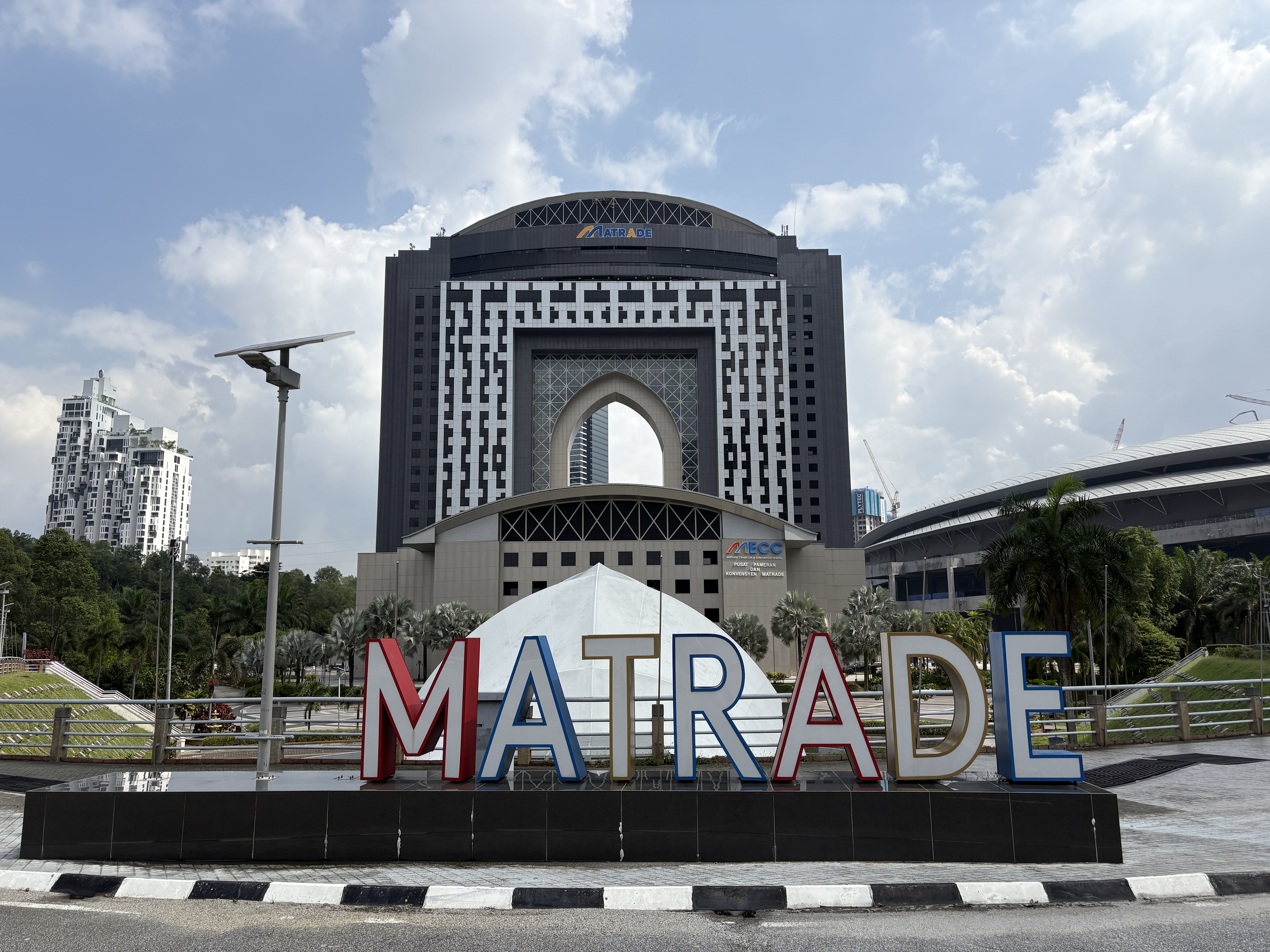
KUALA LUMPUR, 5 MARCH 2026 – The Malaysia External Trade Development Corporation (MATRADE) is taking proactive steps to cushion the impact of escalating geopolitical conflicts in West Asia on Malaysia’s trade performance. Following recent escalations of military conflict involving Iran, Israel, and the United States that began on February 28, 2026, MATRADE has activated a comprehensive mitigation framework to support Malaysian exporters navigating maritime blockades, surging logistics costs, and supply chain disruptions
To accurately gauge the ground-level impact, MATRADE has issued a specialised survey to Malaysian exporters to assess the direct implications of the conflict on their business operations. Preliminary results from the survey of which 53.7% are Micro, Small and Medium Enterprises (MSMEs), Mid-Tier Companies (32.7%) and Multinational Corporations (13.6%) indicated a critical pulse check finding on the industry:
-
High Impact Alert: 63.9% of companies confirmed they will be impacted by the conflict, citing shipment delays and significant increases in ocean freight and insurance costs.
-
Operational Strain: Businesses reported anticipated drops in sales, cancellation of orders, and a sharp spike in raw material prices, particularly for plastic materials linked to crude oil.
-
Strategic Shift: 39.1% of respondents are currently exporting to the region, primarily to the UAE and Saudi Arabia, with many are considering market diversification to mitigate risks.
These data-driven approach allows MATRADE to tailor its intervention strategies to the specific needs of the private sector. Furthermore, MATRADE is mobilising its extensive network of trade offices located within the Middle East, including those in Dubai, Jeddah, and Cairo, to provide immediate on-site assistance. These offices are tasked with providing urgent market updates, facilitating local coordination, and assisting exporters who require help in navigating the "total Mideast maritime lockdown". By utilising these regional hubs, MATRADE ensures that Malaysian businesses have a direct line of support to manage stranded cargo or settle payment defaults in high-risk zones.
To address these challenges, MATRADE is implementing the following strategic interventions:
-
Logistics Diversification & Rerouting: Encouraging Malaysia exporters to reroute their shipments to alternative entry ports within the region that are low risk, more stable and using land transportation such as Port of Fujairah or Salalah.
-
Export Market Diversification: Accelerating plans to help Malaysian companies diversify into less-impacted regions such as South Asia, Latin America, Africa and enhancing intra-ASEAN market integration which entails both merchandise and services.
-
Intensification of Digital Business Matching: Replacing physical missions in high-risk zones with "Virtual eBizMatch" sessions to maintain trade momentum in stable markets.
-
Updates on Financial & Insurance Advisory: Approaching the relevant financial institutions to facilitate easy access to insurance packages for exporters facing cargo abandonment or spiked war-risk premiums.
-
Market Optimisation with Free Trade Agreements (FTAs) Countries: MATRADE is actively leveraging Malaysia’s network of Free Trade Agreements (FTAs), such as Regional Comprehensive Economic Partnership (RCEP) and Comprehensive and Progressive Agreement for Trans-Pacific Partnership (CPTPP), to enhance market penetration in stable regions including South Asia, Latin America, and intra-ASEAN markets. By utilising these agreements, Malaysian exporters can access preferential tariff treatments that provide critical duty savings, helping to offset the rising logistics costs and geopolitical risk surcharges. This strategic realignment allows Malaysian SMEs to remain cost-effective and position themselves as reliable, resilient substitutes in global supply chains less affected by West Asia's current volatility.
-
Intra-ASEAN Market Realignment
MATRADE is accelerating intra-ASEAN market integration to help exporters divert trade from the "total Mideast maritime lockdown". By prioritizing the proximity and stability of Southeast Asian markets, businesses can bypass the surging logistics costs and shipment delays impacting West Asian routes. This realignment leverages the ATIGA, RCEP, and CPTPP frameworks to provide preferential tariffs and critical duty savings.

In relation to this, Dato’ Seri Reezal Merican, Chairman of MATRADE said "The feedback gathered from our recent exporters’ questionnaire highlights the urgent need for a shift from traditional trade routes to be more resilient and strategically adaptable. While the closure of critical chokepoints like the Strait of Hormuz tests our agility, we are empowering our offices in Dubai, Jeddah, and Cairo to act as frontline support centres for every Malaysian exporter in need and to work hand-in-hand with our embassies in respective countries within the region.”
“At the same time, we are accelerating intra-ASEAN market realignment as a key pillar of our mitigation strategy. By leveraging deeper regional integration under the Association of Southeast Asian Nations framework and enhancing utilisation of the ASEAN Trade in Goods Agreement (ATIGA), we are enabling Malaysian exporters to redirect trade flows into geographically proximate and economically stable markets. This strategic pivot not only reduces exposure to geopolitical volatility but also strengthens Malaysia’s position as a regional trade hub within Southeast Asia. MATRADE is not just monitoring the crisis; we are actively rerouting trade, mitigating export risks, and deepening our diversification initiatives to safeguard Malaysia’s long-term trade resilience.”

On the other hand, MATRADE CEO, En. Abu Bakar Yusof said "Our immediate priority is to mitigate the 'double-ended' blockade affecting our cargo by leveraging our local presence in West Asia to resolve real-time logistical hurdles. Insights from our survey reveal that 63.9% of our companies expect to be impacted, which is why we are mobilising our Middle Eastern offices to provide the ground-level intelligence and identify opportunities to integrate into supply chain ecosystems to sustain and diversify our exports. While we anticipate operational strain, we are positioning Malaysia as a reliable alternative supplier for our trade partners seeking to diversify away from regional risks."
MATRADE remains committed to safeguarding Malaysia’s trade interests and supporting exporters through this challenging period. By working closely with industry players, financial institutions, and Malaysia’s missions abroad, MATRADE will continue to implement responsive measures to strengthen export resilience and ensure Malaysia remains a reliable and competitive trading partner in the global market.